

Posted in Lecture Notes

Med Tech Mycology Notes

FUNGI
Advertisements

CHARACTERISTICS:

  • Eukaryotic
  • Thallophytes
    • have true nuclei
    • heterotrophic members of the plant family that lack stems and roots
  • Lack chlorophyll
  • Larger and with more complex morphology than the bacteria
  • Chitin in the cell wall
  • Ergosterol in the cell membrane
  • Saprophytic nature (derive nutrition from organic materials)
  • Lack of susceptibility to antibacterial antibiotics

TWO PHASES:

  • Multicellular MOLD – fluffy, cottony, woolly, or powdery mycelial mass, grows at 25°C
  • Unicellular YEAST – moist, creamy, opaque or pasty, resembling bacterial colony, grows from 35°C to 37°C
DIMORPHIC FUNGI – capable of two phases
Mold at 25°C to 30°C – INFECTIVE TO MAN
Yeast at 37°C – TISSUE/IN VIVO/INVASIVE

PARTS:

  • MYCELIUM – intertwining structure composed of tubular filaments known as HYPHAE
    • Vegetative portion or thallus – grows in or on a substrate and absorbs water and nutrients
    • Reproductive or aerial part – contains fruiting bodies that produce reproductive structures (conidia or spores); extends above the agar surface
  • HYPHAE – microscopic unit of fungi
    • Septate – contain cross-walls
      • All fungi except Zygomycetes
    • Aseptate/Coenocytic – continuous, without cross-walls
      • ZYGOMYCETES (Rhizopus, Mucor)
Advertisements

FUNGAL REPRODUCTION:

  • SEXUAL – meiosis (reduction division of two fertile cells) followed by merging of the cells and nuclear fusion occurs
    • PERFECT FUNGI – fungi that exhibit sexual phase
    • ASCOSPORES – contained in a saclike ASCUS
      • CLEISTOTHECIUM – large, round, multicellular structure that surrounds the asci until it ruptures, releasing ascospores
    • BASIDIOSPORES – contained in a club-shaped BASIDIUM
    • OOSPORES – fusion of cells from two separate, nonidentical hyphae
    • ZYGOSPORES – fusion of two identical cells arising from the same hypha
  • ASEXUAL – involves only mitosis with nuclear and cytoplasmic division
    • IMPERFECT FUNGI – do not exhibit sexual phase
    • SPORANGIOSPORES – asexual spores contained in sporangia (sacs) and produced terminally on sporangiophores or aseptate hyphae
      • UNIQUE TO THE ZYGOMYCETES
    • CONIDIA – asexual spores produced either singly or multiply in long chains or clusters by specialized vegetative hyphae (conidiophores)
      • MACROCONIDIA – large, usually septate
        • Club, oval, or spindle shaped
        • Thick or thin walled
        • Spiny (echinulate) or smooth surface
      • MICROCONIDIA – small, unicellular
        • Round, elliptical, or pyriform (pear) shape
    • BLASTOCONIDIA or BLASTOSPORES
      • Develop as daughter cell buds off the mother cell and is pinched off
      • Blastoconidia of yeasts (including Candida) may elongate to form pseudohyphae
    • CHLAMYDOCONIDIA or CHLAMYDOSPORES
      • Thick-walled, resistant, resting spores produced by “rounding up” and enlargement of the terminal hyphal cells
      • Germinate into a new organism when favorable environmental conditions exist
        • Terminal – form at the hyphal tip
        • Sessile – form on the hyphal sides
        • Intercalary – form within the hyphal strand
    • ARTHROCONIDIA or ARTHROSPORES
      • Simple fragmentation of the mycelium at the septum into rectangular-, cylinder-, or cask-shaped spores
      • Thick walled spores which may be adjacent or alternate (empty spaces or disjunctor cells in between each arthrospores) in arrangement
      • Useful identification characteristic of Coccidioides immitis and Geotrichum candidum
CLASSIFICATION

Botanical Taxonomy

  • Zygomycota –Mucor, Absidia, Rhizopus
  • Ascomycota
  • Basidomycota
  • Deuteromycota – most medically important fungi
    • With septate hyphae
    • Asexual reproduction

Type of Mycoses

  • Superficial and cutaneous mycoses
  • Subcutaneous mycoses
  • Systemic mycoses
  • Opportunistic mycoses
Advertisements
IDENTIFICATION METHODS

MICROSCOPIC

  • SALINE MOUNT – quick and simple method to observe fungal elements (budding yeast, hyphae, pseudohyphae)
    • Major disadvantage: Lack of contrast
  • 10% KOH PREPARATION – rapid and simple method to examine hyphae, budding yeast and spherules
    • KOH dissolves keratin in skin, hair, or nail
    • Chitin is resistant to effects of KOH
    • Hair can be examined to determine type of infection
      • ENDOTHRIX – fungal invasion within the hair shaft
      • ECTOTHRIX – infection outside the hair shaft
    • Disadvantage: Lack of contrast
  • CELLUFLUOR – chemofluorescent brightening agent
    • Can be added to the KOH solution
    • Binds to the chitin in fungal cell wall
    • Provides excellent contrast when examined with a fluorescent microscope
    • Fungi fluoresce intense apple green
  • INDIA INK/NIGROSIN – used to identify hyaline capsule of the yeast Cryptococcus neoformans
    • Capsules do not stain with India ink and appear as clear halos against a dark background
    • May be difficult to interpret; WBCs and artifacts can be mistaken for yeast or capsules
    • Cryptococcus may be capsule negative in immunodeficiency
    • Replaced by direct antigen testing for the cryptococcal capsular protein
  • LACTOPHENOL COTTON BLUE (LPCB) (AMAN) – imparts blue color to the fungal cell wall
    • Slides can be permanently sealed for later study with either Permount or clear nail polish
    • Can also be used in the tease preparation (wet mount) and slide cultures
  • HUCKER MODIFICATION OF GRAM STAIN – recommended for mycology
    • Fungi generally stain gram positive
    • Oval or budding yeast, hyphae, arthrospores generally stain well
    • C. neoformans may appear pale lavender with blue inclusions (capsule prevents adequate staining)
    • Fungi are 2 to 3x the size of gram-positive cocci
    • Hyphae are 2 to 3x wider than gram-positive bacilli
  • GIEMSA or WRIGHT’S STAIN – used for the detection of intracellular Histoplasma capsulatum in blood smears, lymph nodes, lung, liver, or bone marrow
    • H. capsulatum appears as small, oval yeast cell staining light to dark blue
    • C. neoformans also stain well
  • METHENAMINE SLIVER NITRATE STAIN – useful for screening of clinical specimens
    • Provides good contrast and staining for fungal elements
    • Fungi appear outlined in black, with an inner dark rose to black color against a pale green background
    • Viable and nonviable fungi are stained using this method
    • GOMORI METHENAMINE SILVER (GMS) NITRATE MODIFICATION – used in histology to detect fungi in specimens
  • PERIODIC ACID SCHIFF (PAS) – stains hyphae of molds and yeast
    • Periodic acid oxidizes the hydroxyl in the carbohydrates of the cell walls to form aldehydes which react with basic fuchsin dye to form a pink-purple complex
    • Counterstain of fast green can be used to provide contrast
    • Useful in staining tissue in histology

CULTURE

  • Must include a source of nitrogen (nitrite, nitrate, amino acids, or urea) and a carbon source (usually glucose)
  • Incubated at 30°C or RT (25-30°C)
  • Chloramphenicol – inhibits bacteria
  • Cycloheximide – inhibits saprophytic, contaminating fungi

PRIMARY ISOLATION MEDIA

SABOURAUD DEXTROSE AGAR (SDA)
Main general isolation medium Primary recovery of saprobic and pathogenic fungi Primary agar for initial culture Contains peptone and glucose Inhibitor for bacteria: ACIDIC pH (5.6)
SDA WITH CYCLOHEXIMIDE AND CHLORAMPHENICOL (SDA-CC) Recovery of pathogenic fungi Bacteria and saprophytic fungi inhibited Available commercially as Mycosel or Mycobiotic medium
MYCOSEL OR MYCOBIOTIC AGAR
Isolation of dermatophytes from hair, skin, and nail specimens Contains the inhibitory agents, cycloheximide and chloramphenicol Similar to DTM
DERMATOPHYTE TEST MEDIUM (DTM)
Can be substituted for SDA-CC for the recovery of dermatophytes from specimens contaminated with fungi or bacteria Isolation of dermatophytes from hair, skin, and nail specimens Dermatophytes produce alkaline metabolites, which raise the pH and change the color of the indicator from yellow to red Indicator: PHENOL RED Antibiotics inhibit saprophytic fungi and bacteria
BRAIN-HEART INFUSION (BHI) AGAR
Isolation of saprophytic and pathogenic fungi from sterile sites Bacteria also grown in BHI Can be supplemented with blood
BHI AGAR WITH ANTIBIOTICS, CYCLOHEXIMIDE AND CHLORAMPHENICOL
Isolation of pathogenic fungi exclusive of dermatophytes; useful for specimens that may be contaminated with bacteria or saprophytic fungi
BHI BIPHASIC BLOOD CULTURE BOTTLES
Recovery of fungi from blood or bone marrow
 

DIFFERENTIAL MEDIA

BIRDSEED (NIGER SEED) AGAR/ STAIB’S MEDIUM
Isolation of Cryptococcus neoformans: brown to black colonies in 4 to 7 days C. neoformans produces phenol oxidase which breaks down the medium resulting in the production of melanin Similar to caffeic acid agar
CORNMEAL AGAR WITH TWEEN 80
Stimulation of conidiation and chlamydospore production in Candida species; useful for species differentiation of Candida Cornmeal agar + 1% glucose: differentiates T. rubrum from T. mentagrophytes based on PIGMENTATION
COTTONSEED AGAR
Conversion of mold phase of Blastomyces dermatitidis to its yeast phase
NITRATE REDUCTION MEDIUM
Confirmation of nitrate reduction in C. neoformans
POTATO DEXTROSE AGAR
Stimulation of conidia production in fungi Useful in slide culture Also demonstrates pigment production of Trichophyton rubrum
RICE MEDIUM Identification of Microsporum audouinii
TRICHOPHYTON AGARS
Nutritional requirement tests for the differentiation of
Trichophyton #1: casein agar base (vitamin free)
#2: casein agar base and inositol
#3: casein agar base, inositol, and thiamine
#4: casein agar base and thiamine
#5: casein agar base and nicotinic acid
#6: ammonium nitrate agar base
#7: ammonium nitrate agar base and histidine
UREA AGAR
Detection of urease production by C. neoformans and differentiation of Trichophyton mentagrophytes from T. rubrum
YEAST ASSIMILATION MEDIA (CARBON OR NITROGEN)
Detection of carbohydrate assimilation through utilization of carbon (or nitrogen) by yeast in the presence of oxygen
YEAST FERMENTATION BROTH
Identification of yeasts by fermentation reactions with various carbohydrates

ORGANISMS AND THEIR DESCRIPTION TO FOLLOW 🙂

Posted in Online Classes

#TheCheckPointOnline Team

Dra. Krizza-Almond Sarmiento Aguilar-Salido, RMT, MT (ASCPi)

Hi! I’m the owner of this website and #TheCheckPointOnline Review. You can see my information in the “About Me” section of this site.

I have my own version of MCE Lectures for the following subjects:

  • Clinical Chemistry
  • Bacteriology
  • Hematology
  • Immunology & Serology
  • Blood Banking
  • Clinical Microscopy

I also handle the following special sessions:

  • Mastery Sessions
  • Co-MEMORY-ate
  • Final Coaching (End Cell Edition)

TheCheckPointOnline ADMIN

Sir Ross Axel Rufino, RMT

He assists all newly enrolled cells with the initial steps after registration. He also handles student concerns of all kinds.

Sir Red Lawas, RMT

He is one of the Junior Review Assistants who will be more than willing to help you in any way he can.

Ma’am Marian Felise Amican, RMT

She is one of the Junior Review Assistants who will be more than willing to help you in any way she can.

Ma’am Ma. Dhilyn Clariza

She is one of the Junior Review Assistants who will be more than willing to help you in any way she can.

SPECIAL LECTURERS

We also invited the following special lecturers to help our memory cell edition course more high-yield.

Ma’am Clarence Witty H. Mendoza, RMT, MSMT
Dr. Joseph Reuel B. Cruz, BSci., RMT
Sir Kristan J. Dela Cruz, RMT
Sir Benjie M. Clemente, RMT, MLS(ASCPi)cm, MPH
Sir Rojohn Sonny C. Cruz, RMT, PBT (ASCPi), MLS (ASCPi), MSMLS
Sir Lexus P. Delfin, RMT

Neocyte-senseis

Ma’am Leila Mae F. Marquez, RMT
Sir John Lee Del Corro, RMT
Doc Joan Mae Perez-Rifareal
Makarius Smart Learning
Posted in Lecture Notes

Clinical Microscopy – REAGENT STRIPS

Advertisements
TEST PRINCIPLE TIMEREAGENTSFALSE (+)FALSE (-)
Glucose (correlated with ketones)  
Double sequential enzyme reaction  

ENZYMES: Glucose oxidase Peroxidase  

30 s
M – glucose oxidase, peroxidase, potassium iodide  
C – glucose oxidase, peroxidase, tetramethylbenzidine  

CHROMOGENS:
O-toluidine (pink to purple) Potassium iodide (blue to brown) Aminopropryl-carbazol (yellow to orange-brown) Tetramethylbenzidine (yellow to green)
Contamination by oxidizing agents and detergentsHigh levels of ascorbic acid, ketones, specific gravity
Low temperature   Improperly preserved specimens
Ketones (correlated with glucose)  

Sodium nitroprusside reaction  

40 s
M – sodium nitroprusside (acetoacetic acid)  

C – sodium nitroprusside + glycine (acetoacetic acid & acetone)
Phthalein dyes, highly pigmented red urine, levodopa   Medications containing free sulfhydryl groups (MESNA)Improperly preserved specimens
Specific Gravity  

pKa change of polyelectrolyte

pKa = dissociation constant

45 s
M – poly (methy lvinyl ether/maleic anhydride) bromthymol blue

C – ethyleneglycol-Bis (aminoethylether) bromthymol blue
High concentrations of proteins because of protein anionsHighly alkaline urines (>6.5) Add 0.005 to S.G. readings
pH
(correlated with Nitrite, LE, microscopic)  

Double-indicator system

60 s
Methyl red
Bromthymol blue
NoneRunover from the adjacent CHON pad may lower pH
Protein (correlated with blood, nitrite, LE, microscopic)

Protein error of indicators  

60 s
M – tetrabromphenol blue

C – tetrachloropenol tetrabromosulfonphthalein

ACID BUFFER: Citrate
Highly buffered alkaline urine High specific gravity   pigmented specimens, phenazopyridine quaternary ammonium compounds (detergents)   antiseptics, chlorhexidine   loss of buffer from prolonged exposure of reagent strip to the specimenProteins other than albumin
Blood (correlated with protein and microscopic)  

Pseudo-peroxidase activity of hemoglobin  

60 s
M – diisopropylbenzenedehydroperoxide tetramethylbenzidine

C – dimethyldihyroperoxide- tetramethylbenzidine    

spotted blue for intact RBCs uniform blue for Hb and myoglobin
Strong oxidizing agents, bacterial peroxidases   menstrual contaminationHigh specific gravity/ crenated cells   high concentration of nitrite   formalin, captopril, ascorbic acid > 25mg/dl   unmixed specimens
Bilirubin (correlated with urobilinogen)  

Diazo reaction

60 s
M – 2,4-dichloro-analine diazonium salt

C -2,6-dichorobenzene-diazonium-tetrafluoroborate  
Highly pigmented urines, phenazopyridine, indican metabolites of LodineSpecimen exposure to light, ascorbic acid >25 mg/dL, high concentration of nitrite
Urobilinogen (correlated with bilirubin)  

Ehrlich’s reaction

60 s
M – para-dimethylaminobenzaldehyde
C – 4-methoxybenzenediazonium-tetrafluroborate  
M – Porphobilinogen, indican, p-aminosalicyclic acid, sulfonamides, methyldopa, procaine, chlorpromazine, highly pigmented urine

C – highly pigmented urine
M – old specimens, preservation in formalin

C – old specimens, preservation in formalin, high concentration of nitrite
Nitrite (correlated with protein, LE and microscopic)  

Greiss reaction

60 s
M – p-arsanilic acid Tetrahydrobenzo(h)-quinolin-3-ol

C – Sulfanilamide, hydroxytetrahydro benzoquinoline      
Improperly preserved specimens  


Highly pigmented urine
Nonreductase-containing bacteria insufficient contact between bacteria and urinary nitrate (should be 4 hours) lack of urinary nitrate, large quantities of bacteria converting nitrite to nitrogen, presence of antibiotics, high concentration of ascorbic acid high specific gravity
Leukocytes (correlated with protein, nitrite and microscopic)  

Leukocyte esterase  

120 s
M – derivatized pyerole amino acid ester, diazonium salt  

C – indoxylcarbonic acid ester diazonium salt  
Strong oxidizing agents, Formalin, highly pigmented urine, nitrofurantoinHigh concentration of protein, glucose, oxalic acid, ascorbic acid, gentamicin, cephalosporins, tetracyclines
Posted in Lecture Notes

Clinical Microscopy – Automation

Advertisements

WHAT’S IN HERE?

  • Principles Used in Automated Urinalysis and Microscopy
  • Automated Urinalysis Systems
  • Automated Body Fluid Analysis Systems
Principles Used in Automated Urinalysis and Microscopy
  • REFLECTANCE PHOTOMETRY
    • Used by automated reagent strip readers
    • Measure the light reflected from the reagent strip color pads and compare the amount of reflected light with a known standard
    • PRINCIPLE: light reflected from the colored reagent pads DECREASES in DIRECT PROPORTION to the INTENSITY OF THE COLOR produced by the reaction with the specific substance in the urine sample
      • the darker the color, the less light reflected
      • the lighter the color, the more light reflected
    • The concentration of a specific substance and concentration units are displayed on the reader’s display
  • LASER-BASED FLOW CYTOMETRY, IMPEDANCE & LIGHT SCATTER
    • Identify sediment elements in a urine sample
    • measures sediment conductivity and light scatter
      • Conductivity is based upon the impedance (the amount of resistance that occurs when a sediment passes through an electrical field) of sediments and counts the numbers of pulses (sediments).
        • The size of the pulse indicates the size of the sediment.
      • Light scattering characteristics of the sediments are determined by their movement through the laser light beam.
        • Identification depends on how the light is scattered by the sediment.
  • HARMONIC OSCILLATION
    • Assesses SPECIFIC GRAVITY
    • Method based upon densitometry in which a sound wave of a specific frequency changes in proportion to the density of the urine sample
    • Change in wave frequency is measured by a microprocessor and translates the reading to specific gravity
  • HYDRODYNAMIC FOCUSING
    • Identifies specific sediments
    • involves the movement of single urine sediments past the optics of a microscope to allow sediments to flow in several planes plane past the microscope objective
    • A flow cell also measures sediment conductivity, size, and light scattering traits
    • Questionable findings are viewed on a monitor for operator identification and confirmation
Automated Urinalysis Systems
  • INDIVIDUAL STRIP  READERS
  • SEMIAUTOMATED  ANALYZERS
    • dependent on an operator for specimen mixing, test strip, dipping,  and  inputting  of  physical  and  microscopic  results
  • FULLY  AUTOMATED CHEMISTRY ANALYZERS
    • add urine to the reagent strip
  • AUTOMATED URINE CELL ANALYZERS
    • mix, aspirate, dilute, and stain urine to classify urine sediment particles
  • COMPLETELY  AUTOMATED  SYSTEMS
    • perform a complete urinalysis that includes the physical, chemical, and microscopic parts of a routine urinalysis
WAIVED URINE CHEMISTRY INSTRUMENTS
Roche Diagnostics Criterion II Siemens Medical Solutions Diagnostics Clinitek®50 Siemens Medical Solutions Diagnostics Clinitek®101 Siemens Medical Solutions Diagnostics Clinitek®Status
SEMIAUTOMATED URINE CHEMISTRY INSTRUMENTS
Dirui Urine Analyzer H-50, 100, 200 Iris Diagnostics Division iChem®100 Roche Diagnostics URISYS®1800 Roche Diagnostics Chemstrip Criterion II Siemens Medical Solutions Diagnostics Clinitek®200, 200+, 500
FULLY AUTOMATED URINE CHEMISTRY INSTRUMENTS
Iris Diagnostics Division AUTION MAX® Iris Diagnostics Division iChem® VelocityTM Roche Diagnostics URISYS 2400® Siemens Medical Solutions Diagnostics Clinitek® Atlas
AUTOMATED SEDIMENT ANALYSIS
Iris Diagnostics Division iQ®200ELITETM Iris Diagnostics Division iQ®200SELECTTM Iris Diagnostics Division iQ®200SPRINTTM Sysmex UF-100® Urine Cell Analyzer
TOTALLY AUTOMATED URINALYSIS SYSTEMS
Iris Diagnostics Division iQ®200 Automated Urinalysis System iRICELL2000 (iChem® VelocityTM plus iQ®200ELITETM) iRICELL3000 (iChem® VelocityTM plus iQ®200SPRINTTM) Siemens Medical Solutions Diagnostics ADVIA Urinalysis WorkCell System (Clinitek® Atlas plus the Sysmex UF-100)
Advertisements

DESCRIPTION OF SOME SELECTED INSTRUMENTS

  • CLINITEK 50 & CLINITEK STATUS
    • well  suited  for  small  volume  laboratories  and  physician’s offices
    • Memory storage for test results -100 for Clinitek 50 and 200 for Clinitek Status
    • automated  reading  of  microalbumin-to-creatinine  and  protein-to-creatinine  ratios and human  chorionic  gonadotropin  (hCG)
  • CLINITEK 200
    • For medium-volume to large-volume urinalysis laboratories and features a high specimen output of one strip every 10 seconds.
    • Multistix reagent test  strips  are  used,  and  the  instrument  has  the  ability  to report semiquantitative (mg/dL) results or plus (+) and SI units.
    • The reflectometer  is  calibrated  daily  and maintenance is required each day for all areas in contact with urine test strips
  • SYSMEX UF-SERIES
    • Fully automated sample analysis with automatic classification of all 10 formed element groups with SCATTERGRAMS and HISTOGRAMS for reference
    • Laser-based FLOW CYTOMETRY along with impedance detection, forward light scatter, and fluorescence
    • Sample is stained with 2 dyes
      • PHENATHRIDINE – orange dye, stains DNA
      • CARBOCYANINE – green dye, stains nuclear membranes, mitochondria, and negatively charged cell membranes
  • SYSMEX UF-SERIES
    • Stained sample is passed through the flow cell, where it is HYDRODYNAMICALLY FOCUSED and presented to a laser light beam that produces fluorescence and light scatter
    • Particles are identified by measuring the change in impedance of the sediment elements, as well as the height and width of the fluorescent and light scatter signals, which are presented in scattergrams and histograms
  • iQ 200 Automated Urine Microscopy Analyzer (IRIS)
    • Automatically analyses and classifies urine particles into 12 categories
    • Uses AUTO PARTICLE RECOGNITION (APR) software that classifies urine particles in the photographs based on size, shape, texture, and contrast
Automated Body Fluid Analysis Systems
  • cells are first mixed with reagent fixative and then counted
  • differentials counting enumerates numbers of neutrophils, lymphocytes, monocytes, and eosinophils
  • automated cell counters use larger numbers of cells, enhancing precision and accuracy
BODY FLUID ANALYZERSFDA APPROVED FOR USE WITH THESE FLUIDS:
Iris iQ Body Fluid ModuleCSF, Pleural & Peritoneal Peritoneal lavage, peritoneal dialysate, pericardial, general serous fluids, synovial
Siemens Medical Solutions Diagnostics ADVIA120 and 2120CSF
Sysmex XE-5000 Automated Hematology SystemCSF Serous body fluids Synovial fluid
Medical Electronic SystemsSemen

ADVIA120 Hematology System

  • First automated instrument with an FDA-approved automated CSF assay
    • Uses flow cytometry, light scatter, and absorbance to count the RBCs, WBCs, and performs a WBC differential that includes percentages and absolute numbers of mononuclear cells and PMNs on samples with >20WBCs/µL

AUTOMATION OF SEMEN ANALYSIS

  • SQA-V automates sperm counts and motility
    • has a two-channel measurement system that interacts with a specially designed testing capillary that contains the semen sample
    • one channel  “measures”  light  absorption  and  refraction  in sperm cells and translates this into concentration
    • one channel “counts”  light  interruptions  (signals)  caused  by sperm  cells  moving  across  the  field  of  light
    • In approximately 1 minute, thousands of signals are “read” resulting in exceptional accuracy and precision.
    • Automating the motility analysis eliminates reader subjectivity and variance among technologists.

AUTOMATION OF URINE PREGNANCY

  • Quantitative human chorionic gonadotropin (HCG) is one such test that is interpreted by the VEDALAB Easy Reader.
    • Immunochromatographic rapid test cards are read by the meter using a high-resolution CCD camera.
    • Integrated software analyzes the images and records the results.
Posted in Lecture Notes

Clinical Chemistry – Carbohydrates

Advertisements

WHAT’S IN HERE?

  • Carbohydrates
  • Glucose and Its Metabolism
  • Hyperglycemia
  • Hypoglycemia
  • Genetic Defects in Carbohydrate Metabolism
  • Laboratory Analysis of Glucose
  • References

DEFINITION

  • Compounds containing C, H and O with general formula Cx(H2O)y
  • Contain C=O and –OH functional groups
  • Derivatives can be formed by addition of other chemical groups such as phosphates, sulfates and amines
  • Commonly called “SUGARS” and use the suffix –ose

CLASSIFICATION

  • Based on four different properties
  • SIZE OF THE BASE CARBON CHAIN
    • TRIOSES: with three (3) carbons
    • TETROSES: with four (4) carbons
    • PENTOSES: with five (5) carbons
    • HEXOSES: with six (6) carbons
  • LOCATION OF THE CO FUNCTION GROUP
    • ALDOSE: has a terminal carbonyl group (O=CH) called an aldehyde group
    • KETOSE: has carbonyl group (O=CH) in the middle linked to two other carbon atoms called a ketone group
  • STEREOCHEMISTRY OF THE COMPOUND
    • STEREOISOMERS: have the same order and types of bonds but different spatial arrangements and different properties
    • ENANTIOMERS: images that cannot be overlapped and are non-superimposable
      • L-isomer: if the configuration of the highest-numbered asymmetric carbon is on the LEFT or if hydroxyl group farthest from the carbonyl carbon is on the LEFT
      • D-isomer: if the configuration of the highest-numbered asymmetric carbon is on the RIGHT or if hydroxyl group farthest from the carbonyl carbon is on the RIGHT
  • NUMBER OF SUGAR UNITS
    • MONOSACCHARIDES
      • Simple sugars that cannot be hydrolyzed to simpler form
      • Examples: glucose, fructose, galactose
    • DISACCHARIDES
      • Formed by two monosaccharides joined by glycosidic linkage
      • Hydrolyzed by disaccharide enzymes (i.e., lactase) produced by the microvilli of the intestine
      • Examples:
        • Maltose = 2 β-D-glucose in 1→4 linkage
        • Lactose = glucose + galactose
        • Sucrose = glucose + fructose
      • OLIGOSACCHARIDES
        • Chaining of 2 to 10 sugar units
      • POLYSACCHARIDES
        • Linkage of many monosaccharide units
        • Yield more than 10 monosaccharides upon hydrolysis
        • Examples: starch, glycogen

 MODELS USED TO REPRESENT CARBOHYDRATES

  • FISCHER: linear formula where the aldehyde or ketone is at the top of the drawing and can be depicted in the D- or L- form
  • HAWORTH: cyclic form that is more representative of the actual structure and is formed when the carbonyl group reacts with an alcohol group on the same sugar to form a ring and can be depicted in the α or β form

CHEMICAL PROPERTIES

  • REDUCING SUBSTANCES
    • Contain a ketone or aldehyde group
    • WITH FREE ANOMERIC CARBON
    • Can reduce other compounds
    • Examples: glucose, maltose, fructose, lactose, galactose
  • NON-REDUCING SUBSTANCES
    • Do not have an active ketone or aldehyde group
    • NO FREE ANOMERIC CARBON
    • Will not reduce other compounds
    • Example: sucrose (table sugar)
Advertisements

Glucose and Its Metabolism

  • End product of carbohydrate digestion in the intestine
    • Enzymes involved
      • AMYLASE (salivary & pancreatic) – digests nonabsorbable polymers to dextrins and disaccharides
      • MALTASE (from the intestine) – digests disaccharides to monosaccharides
      • SUCRASE & LACTASE – hydrolyze sucrose & lactose respectively
    • FUNCTIONS:
      • Provides energy for life processes
      • The only CHO that can be directly used for energy or stored as glycogen
    • FORMS: ~35% alpha & 65% beta
    • MAJOR METABOLIC PATHWAYS
      • EMBDEN-MEYERHOFF PATHWAY or GLYCOLYSIS
        • Substrate: D-glucose
        • End-products: 2 moles of PYRUVIC ACID, 2 moles NADH and 2 moles of ATP
        • Can occur aerobically or anaerobically
          • If aerobic, pyruvate is formed
          • If anaerobic, lactate is formed
        • Other substrates can enter this pathway at various points
          • Glycerol (from TAG) enters at 3-phosphoglycerate
          • Fatty acids, ketones and some amino acids are converted to acetyl-CoA
          • Other amino acids enter as pyruvates or as deaminated α-ketoacids and α-oxoacids
        • HEXOSE MONOPHOSPHATE SHUNT OR AEROBIC/OXIDATIVE PATHWAY
          • G6P is converted to 6-phosphogluconic acid which permits the formation of NADPH (important to red cells because they lack mitochondria thus incapable of TCA cycle)
          • End-products: pentose phosphate, CO2 and NADPH
        • GLYCOGENESIS
          • Stores glucose as glycogen
          • Converts G6P to G1P
          • G1P → uridine diphosphoglucose→ glycogen by glycogen synthase
          • GLYCOGENOLYSIS – conversion of glycogen to G6P
PATHWAYS IN GLUCOSE METABOLISM
GlycolysisMetabolism of glucose molecule to pyruvate or lactate for production of energy
GluconeogenesisFormation of G6P from noncarbohydrate sources
GlycogenolysisBreakdown of glycogen to glucose for use as energy
GlycogenesisConversion of glucose to glycogen for storage
LipolysisDecomposition of fats
LipogenesisConversion of carbohydrates to fatty acids
  • MAJOR HORMONES CONTROLLING BLOOD GLUCOSE
    • PANCREATIC HORMONES
      • INSULIN – primary hormone for DECREASING blood glucose levels
        • Responsible for the entry of glucose into the cells by enhancing membrane permeability to cells in the liver, muscle and adipose tissues
        • synthesized by β-cells of the pancreas
          • released when glucose levels are high/increased
          • not released when glucose levels are low/decreased
        • EFFECTS:
          • increases glycogenesis, lipogenesis, and glycolysis
          • inhibits glycogenolysis
        • INSULIN IS THE ONLY HORMONE THAT DECREASES GLUCOSE LEVELS and can be referred to as a hypoglycemic agent
      • GLUCAGON – primary hormone for INCREASING blood glucose levels
        • released in response to stress and fasting states
        • synthesized by α-cells of the pancreas
          • released when glucose levels are low/decreased
          • not released when glucose levels are high/increased
        • EFFECTS:
          • increase glycogenolysis and gluconeogenesis
        • can be referred to as a hyperglycemic agent
      • SOMATOSTATIN
        • produced by δ cells of the pancreas
        • EFFECTS: inhibition of insulin, glucagon, growth hormone, and other endocrine hormones.
      • ADRENAL HORMONES
        • CORTISOL
          • produced by the adrenal cortex on stimulation by ACTH
          • EFFECTS: decreases intestinal entry into the cell and increases gluconeogenesis, liver glycogen and lipolysis
        • EPINEPHRINE
          • produced by the adrenal medulla
          • EFFECTS: inhibits insulin secretion, increase glycogenolysis and lipolysis
          • Released during times of stress
        • ANTERIOR PITUITARY HORMONES
          • GROWTH HORMONE
            • EFFECTS: decreases the entry of glucose into the cells
          • ACTH
            • EFFECTS: stimulates the adrenal cortex to release cortisol, increases glycogenolysis and gluconeogenesis
          • THYROID HORMONES
            • T3 & T4
              • EFFECTS: increases glycogenolysis, gluconeogenesis and intestinal absorption of glucose
HORMONAL ACTIVITY AFFECTING SERUM GLUCOSE LEVELS
HORMONESOURCEEFFECTACTION
Insulinβ cells of pancreasstimulates glucose uptake by cells
Glucagonα cells of pancreasglycogenolysis
ACTHAnterior pituitaryinsulin antagonist, glycogenolysis & gluconeogenesis
Growth HormoneAnterior pituitaryinsulin antagonist & glycolysis
CortisolAdrenal cortexinsulin antagonist, gluconeogenesis & lipolysis
HPLPlacentainsulin antagonist
EpinephrineAdrenal medullainhibits insulin secretion, glycogenolysis & lipolysis
T3 & T4Thyroid glandglycogenolysis, gluconeogenesis & intestinal absorption of glucose
Somatostatinδ cells of pancreasinhibits insulin, glucagon, GH

Advertisements

Hyperglycemia

  • Increase in plasma glucose levels caused by imbalance of hormones
  • DIABETES MELLITUS
    • Group of metabolic diseases characterized by hyperglycemia resulting from defects in insulin secretion, insulin action or both
    • Categories of Diabetes (According to the ADA/WHO guidelines)
      • Type 1 Diabetes
      • Type 2 Diabetes
      • Other specific types of diabetes
      • Gestational Diabetes Mellitus (GDM)
  • PRIMARY DIABETES MELLITUS
Points of DifferenceTYPE 1TYPE 2
Former namesInsulin Dependent Diabetes Mellitus (IDDM)

Juvenile Onset DM

Brittle DM

Ketosis-prone DM

Non-Insulin Dependent Diabetes (NIDDM)

Maturity Onset DM

Stable DM

Ketosis-resistant DM

Receptor Deficient DM

OnsetBefore 20 y/oOver 40 y/o
Measurable circulating insulinNONELow
Insulin receptorNormal↓ or ineffective
Beta cell massMarkedly ↓Moderately ↓
C-peptide levelsUndetectableDetectable
Incidence10-15%85% (common)
Ketoacidosis*CommonRare
Physique/Stature**Normal or thinOften overweight
Pathogenesis -β-cell destruction

-Absolute insulin deficiency

-Autoantibodies

-Insulin resistance with insulin secretory defect

-Relative insulin deficiency

TreatmentParenteral insulin administraionOral hypoglycemic agent
  • SECONDARY DIABETES MELLITUS – associated with secondary conditions
    • Genetic defects of β-cell function
    • Pancreatic disease
    • Endocrine disease
      • Cushing syndrome – excessive cortisol
      • Pheochromocytoma – epinephrine excess
      • Acromegaly – growth hormone excess
    • Drug or chemical induced
    • Insulin receptor abnormalities
    • Other genetic syndromes
      • Maturity onset diabetes of youth (MODY) – rare; autosomal dominant
  • GESTATIONAL DIABETES MELLITUS (GDM)
    • any degree of glucose intolerance with onset or first recognition during pregnancy
    • due to metabolic or hormonal changes
    • Infants born to mothers with this kind of diabetes are at increased risk to respiratory distress syndrome, hypocalcemia & hyperbilirubinemia

Laboratory Findings in Hyperglycemia

  • INCREASED glucose (plasma & urine), urine specific gravity, serum and urine osmolality
  • Ketonemia and ketonuria
  • DECREASED blood and urine pH (acidosis)
  • Electrolyte imbalance (↓Na+, Cl and ↑K+)
DIAGNOSTIC CRITERIA FOR DIABETES MELLITUS
RPG                    ≥200 mg/dl (11.1 mmol/L) + symptoms of diabetes
Fasting PG         ≥126 mg/dL (7.0 mmol/L)
2-h PG               ≥200 mg/dl (11.1 mmol/L) during OGTT
CATEGORIES OF FASTING PLASMA GLUCOSE
Normal fasting glucose         FPG <110 mg/dL
IMPAIRED fasting glucose     FPG ≥110 mg/dl but <126 mg/dl
Provisional diabetes dx         FPG ≥126 mg/dl
CATEGORIES OF ORAL GLUCOSE TOLERANCE
Normal glucose tolerance   2h PG <140 mg/dL
Impaired gluc. tolerance     2h PG ≥140 mg/dl but <200 mg/dl
Provisional diabetes dx      2h PG ≥200 mg/dl
  • Screening test for GDM
    • Only high-risk patients should be screened for GDM
      • Age older than 25 years
      • Overweight
      • Strong family history of diabetes
      • History of abnormal glucose metabolism
      • History of a poor obstetric outcome
      • Presence of glycosuria
      • Diagnosis of PCOS
      • Member of an ethnic/racial group with a high prevalence of diabetes (e.g. Hispanic American,  Native  American, Asian American, African American, Pacific Islander)
    • METHODS:
      • ONE-STEP APPROACH – immediate performance of a 3h OGTT without prior screening
      • TWO-STEP APPROACH – initial measurement of plasma glucose at 1-hour postload (50g)
        • IF value ≥140 mg/dL (7.8 mmol/L) then do 3-hour OGTT using 100g glucose
        • GDM is diagnosed when any two of the following values are met or exceeded:
          • Fasting: >95 mg/dl
          • 1 hour: ≥180 mg/dl
          • 2 hours: ≥155 mg/dl
          • 3 hours: ≥140 mg/dl

Hypoglycemia

  • Decrease in plasma glucose levels
    • 65-70 mg/dl (3.6-3.9 mmol/L) – plasma glucose concentration at which glucagon and other glycemic factors are released
    • 50-55 mg/dl (2.8-3.0 mmol/L) – symptoms of hypoglycemia appear
    • Warning S/S are all related to CNS
  • Types of Hypoglycemia (Old)
    • Post-absorptive (Fasting) – MORE SERIOUS
      • Islet cell insulinoma
      • Insulin-producing tumors
      • Ethanol induced
      • Propanolol & salicylate
  • Post-prandial (Reactive) – MILD FORM
    • there is spontaneous recovery of glucose level as a result of insulin level returning to normal
    • Excessive release of insulin
    • Gastro-intestinal surgery
CAUSES OF HYPOGLYCEMIA
Patient Appears Healthy 
No coexisting diseaseDrugs

Insulinoma

Islet hyperplasia or NESIDIOBLASTOSIS

Factitial hypoglycemia from insulin or sulfonylurea

Severe exercise

Ketotic hypoglycemia

Compensated coexistent diseaseDrugs
Patient Appears ILL 
Drugs

Predisposing illness

Hospitalized patient

 
  • Diagnostic criteria for INSULINOMA
    • Change in glucose level of ≥25 mg/dl coincident with an insulin level of ≥6 μU/ml
    • C-peptide levels of ≥0.2 nmol/L
    • Proinsulin levels of ≥5 pmol/L
    • β-hydroxybutyric acid of ≤2.7 mmol/L
  • Diagnostic tests for HYPOGLYCEMIA
    • 72 hour fast which requires the analysis of glucose, insulin, C-peptide and proinsulin at 6-hour intervals
    • POSITIVE RESULT: <45 mg/dl; hypoglycemic symptoms appear after 72 hours had elapsed
Advertisements

Genetic Defects in Carbohydrate Metabolism

  • Glycogen Storage Diseases – deficiency of a specific enzyme that causes alteration of glycogen metabolism
TypesEnzyme DeficientClinical Features
von Gierke’s dse

Type I

Glucose-6-phosphataseSevere fasting hypoglycemia

Lactic acidosis

Pompe’s dse

Type II

α-1,4-glucosidaseAccumulation of ↑ amount of glycogen on all organs

Presence of abnormally LARGE LYSOSOMES

Forbe’s dse

Type III

Debrancher enzymeHypoglycemia, hepatomegaly, seizures and mental retardation
Andersen’s dse

Type IV

Brancher enzymeProgressive liver enlargement or cirrhosis and muscular weakness by age 2

Absence of storage glycogen

Unbranched AMYLOPECTIN

Other enzyme defects/deficiencies that cause hypoglycemia: glycogen synthase, fructose-1-6,biphosphatase, phosphoenolpyruvate carboxykinase and pyruvate carboxylase.

  • Galactosemia – a cause of failure to thrive syndrome in infants; congenital deficiency of one of three enzymes involved in galactose metabolism, resulting in increased plasma galactose levels
    • Galactose-1-phosphate uridyl transferase – MOST COMMON enzyme deficiency
    • Fructose-1-phosphate aldolase deficiency

Laboratory Analysis of Glucose

  • SPECIMEN COLLECTION AND HANDLING
    • Glucose concentration in whole blood is approximately 15% lower than in plasma or serum.
    • Glucose levels decrease approximately 10 mg/dL (7%) per hour in whole blood.
    • Serum or plasma must be separated within 1 hour (Bishop) to prevent substantial loss of glucose by the cellular fraction, particularly if WBC count is elevated. (within 30 minutes – Henry)
    • Glucose is metabolized at a rate of 7 mg/dl/h at room temperature; and 2 mg/dl/h at 4°C
    • Refrigerated serum or plasma is stable up to 48 hours.
    • Sodium fluoride (2 mg/mL) prevents glycolysis (gray top tube) for up to 48 hours.
    • Glycolysis decrease serum glucose by approximately 5-7% per hour (5-10 mg/dl) in normal, uncentrifuged coagulated blood at room temperature.
    • Fasting blood glucose should be obtained after an approximately 10-hour fast (not >16 hours)
    • Fasting plasma glucose values have a diurnal variation with the mean FBG higher in the morning than in the afternoon.
    • Fasting reference range for serum or plasma is 70-110 mg/dL
    • In the fasting state, arterial (capillary) values are 5 mg/dL higher than the venous concentration.
    • Urine glucose analysis (in 24h urine glucose) may be stabilized by addition of a preservative; should be stored at 4°C during collection because 40% of glucose is lost after 24 hours at room temperature.
    • CSF glucose analysis (if will be delayed) must be centrifuged and stored at 4°C-20°C
    • In normal CSF, values are two-thirds (approximately 60-70%) of plasma level.
    • RENAL THRESHOLD for glucose: 180 mg/dl
  • TYPES OF SPECIMEN FOR GLUCOSE ANALYSIS
    • Fasting Blood Sugar – blood collected after 8-10 hours of fasting (NV: 74-106 mg/dl)
    • Random Blood Sugar – test for INSULIN SHOCK (NV: <200 mg/dl)
    • 2 hour Postprandial Blood Sugar
      • Standard load of glucose: 75 grams
      • Glucose measurement taken 2 hours later
      • (NV : <120 mg/dl)
    • Glucose Tolerance Test – multiple blood and urine glucose test
      • Oral GTT
        • Janney-Isaacson (Single Dose)
        • Exton Rose (Divided Oral dose or Double Dose)
        • Not recommended for routine use
        • Fasting and 2h sample are measured except for pregnant patients
        • Adult load is 75g; children: 1.75 g/kg to 75g
        • Factors that affect tolerance
          • Medications (salicylates, diuretics, anticonvulsants, oral contraceptives and corticosteroids)
          • GI surgery
          • Vomiting
          • Endocrine dysfunction
        • Requirements:
          • Patient should be ambulatory
          • Patient must be in unrestricted diet of 150 grams CHO/day for 3 consecutive days prior to the test
          • Patient must be free from undue stress or severe illness
          • Alcohol intake and smoking are not allowed prior to the test
          • Patient should be fasting at least 10 hours and not more than 16 hours
          • Test should be performed in the morning because of hormonal diurnal effect on glucose
        • IVGTT – blood sample is collected every 10 minutes for 1 hour
          • 5g glucose/kg body weight (given within 3 minutes) administered intravenously
          • fasting is also required
          • NV: 1.4 – 2.0 %
          • Indications of IVGTT
            • Patients who are unable to tolerate large CHO load
            • Patients with altered gastric physiology or GI d/o
            • Patients with malabsorption syndrome
  • Self-Monitoring of Blood Glucose (SMBG)
    • Type 1 DM – should monitor blood glucose 3-4 times per day
    • Type 2 DM – optimal frequency is unknown
  • Glycosylated hemoglobin/Glycated hemoglobin/HbA1C
    • hemoglobin compound formed when glucose reacts with amino group of hemoglobin
    • test for long term diabetic control
    • reflects the average blood glucose level for the previous 2-3 months
    • for every 1% change in HbA1c value there is 35 mg/dl (2 mmol/L) change in the mean
    • in presence of hemoglobinopathies, there will be less time for glucose to
    • binding of glucose to HbA1 is irreversible
    • preferred anticoagulant is EDTA
    • NV: 4.5-8.5%
Methods of HBA1c Measurement
Methods based on STRUCTURAL DIFFERENCES
ImmunoassaysPolyclonal or monoclonal antibodies toward the glycated n-terminal group of the β chain of Hgb 
Affinity chromatographySeparates based on chemical structure using borate to bind glycosylated proteinsNot affected by temperature and other hemoglobins
Methods based on CHARGE DIFFERENCES
Ion-exhange chromatographyPositive-charge resin bedHighly affected by temperature and hemoglobinopathies

HbF – ↑

HbS and C – ↓

ElectrophoresisSeparation is based on differences in chargeHbF values >7% interferes
Isoelectric focusingType of electrophoresis using isoelectric point to separatePre-hb A1c interferes
HPLCForm of ion-exchange chromatographySeparates all forms of glycol Hb (a,b,c)
Advertisements
  • METHODS FOR ANALYSIS
    • CHEMICAL
      • REDUCTION
        • Cupric Ion Reduction
          • FOLIN-WU – measure of ALL REDUCING SUBSTANCES in the blood
            • Reagent that binds with Cu+: phosphomolybdic acid
            • End product: phosphomolybdenum blue
            • End color: blue
          • NELSON SOMOGYI – MEASURE OF TRUE GLUCOSE
            • Reagent that binds with Cu+: arsenomolybdic acid
            • End product: arsenomolybdenum blue
            • End color: blue
          • NEOCUPROINE
            • Reagent that binds with Cu+: neocuproine
            • End product: cuprous-neocuproine complex
            • End color: yellow/yellow orange
          • Ferric Ion ReductionInverse Colorimetry – reduction of yellow ferricyanide to a colorless ferrocyanide by glucose
            • HAGEDORN JENSEN
    • CONDENSATION
      • Orthotoluidine (DUBOWSKI method)
        • can be also used for urine and CSF without protein precipitation
        • Absorbance: 630 nm
        • Reagent: aromatic amine, glacial acetic acid
        • End color: green
        • Interfering substances: galactose and mannose
    • Polarographic Glucose Oxidase
      • measures oxygen consumption with PO2 electrode (Clark)
      • used to avoid interference made by strong oxidizing agents in GOD
      • Molybdate – catalyzes the oxidation of iodide to iodine by H2O2
      • Catalase – catalyzes oxidation of ethanol by H2O2 forming acetaldehyde and H2O
    • Hexokinase
      • Generally accepted as the REFERENCE METHOD
      • MORE ACCURATE THAN HEXOKINASE
        • coupling reaction using G6PD is highly specific
      • Measured by quantitating reduced NADPH formation
      • NADPH is measured directly at 340 nm or coupled to chromogen and measured in visible range
      • Interfering substances: gross hemolysis & extremely elevated bilirubin (cause ↓ values)
      • May be performed using serum or plasma (heparin, EDTA, fluoride, oxalate & citrate)
      • Excellent for glucose determination in urine, CSF and serous fluids

OTHER IMPORTANT TESTS

  • KETONES
    • Produced by the liver through metabolism of fatty acids to provide ready energy source from stored lipids at times of low carbohydrate availability
    • THREE KETONE BODIES
      • Acetone (2%)
      • Acetoacetic acid (20%)
      • Β-hydroxybutyric acid (78%)
    • Causes of increased ketone levels
      • Diabetes Mellitus
      • Starvation/fasting
      • High-fat diets
      • Prolonged vomiting
      • Glycogen storage diseases
    • KETONEMIA – accumulation of ketones in the blood
      • KETONURIA – accumulation of ketones in the urine
      • MEASUREMENT OF KETONES
        • For patients with Type 1 Diabetes, it is recommended during acute illness, stress, pregnancy, or elevated blood glucose levels above 300 mg/dL or when patients have signs of ketoacidosis
        • SPECIMEN: FRESH SERUM or URINE tightly stoppered and analyzed immediately
        • METHODS FOR ANALYSIS:
          • GERHARDT’S TEST – historical test
            • Used FERRIC CHLORIDE reacted with ACETOACETIC ACID to produce a RED color
    • SODIUM NITROPRUSSIDE – more common method
      • Uses SODIUM NITROPRUSSIDE which reacts with ACETOACETIC ACID in an ALKALINE pH to form a PURPLE COLOR
      • If GLYCERIN is also added, ACETONE will be detected
      • Used in urine reagent strips and Acetest tablets
    • ENZYMATIC – newer method adapted in some automated intstruments
      • Uses β-HYDROXYBUTYRATE DEHYDROGENASE to detect either β-HYDROXYBUTYRIC ACID or ACETOACETIC ACID depending on the pH of the solution
        • pH of 7.0 causes the reaction to proceed to the right (decreasing absorbance)
        • pH of 8.5 to 9.5 causes the reaction to proceed to the left (increasing absorbance)

MICROALBUMINURIA

  • Defined as persistent albuminuria in the range of 30 to 299 mg/24 h or an albumin-creatinine ratio of 30 to 300 g/mg
  • Clinical proteinuria or macroalbuminura is established with an albumin-creatinine ratio of ≥300 mg/24h or ≥300 µg/mg
  • Powerful predictor for future development of diabetic nephropathy
  • Annual assessment of kidney function by the determination of urinary albumin is recommended for diabetic patients
  • METHODS FOR MICROALBUMINURIA SCREENING
    • RANDOM SPOT TEST – preferred method
    • 24-HOUR COLLECTION
    • TIMED 4-HOUR OVERNIGHT COLLECTION
  • A patient is determined to have microalbuminuria when two of three specimens collected within a 3- to 6-month period are abnormal.
  • Factors that may elevate the urinary excretion of albumin include exercise within 24 hours, infection, fever, congestive heart failure, marked hyperglycemia, and marked hypertension

ISLET AUTOANTIBODY AND INSULIN TESTING

  • Not currently recommended for routine screening for diabetes diagnosis but in the future it might identify at-risk, prediabetic patients
TESTS FOR CARBOHYDRATE DISORDERS
DIAGNOSTIC TESTSACTION
Fasting Blood SugarNormal – 70-110 mg/dl

Diabetes – >126 mg/dl

2hr Post Prandial Blood Sugar (PPBS)Normal – <126 mg/dl

Diabetes – >200 mg/dl

Post-Loading GlucoseSimilar to PPBS

*Glucose load is standardized

*Diabetics ≥200 mg/dl

Glucose Tolerance Test (GTT) Standard dose = 75g*Diagnostics of diabetes mellitus

>150 mg/dl after 2 hours

>200 mg/dl after 2 hours

*Perform if FBS and PPBS are normal

Intravenouse Glucose Tolerance Test (IVGTT)*Poor absorption (flat curve with OGTT)

*Patient who cannot tolerate large glucose load (vomiting)

O’Sullivan Test

(for gestational diabetes)

*Standard dose 50g

*Probable gestational diabetes

>150 mg/dl at 1 hour

*Follow up with OGTT

TESTS FOR MONITORINGNOTES
Glycosylated hemoglobin*Assessment of long term control

*Average glucose level over 60 days (1-2 months)

Microalbumin*Detects small amounts of protein in urine of diabetic patients to assess renal damage
C peptide of Insulin

(reflects pancreatic insulin secretion)

Normal 1:1 (insulin:C-peptide)

Diabetes > 1:1

C-Peptide ↓after insulin injection

REFERENCES:

  1. Bishop, Michael L., et.al., Clinical Chemistry Techniques, Principles, Correlations, Sixth Edition
  2. PER Handbook
  3. Theriot, Betty, Clinical Laboratory Science Review: Bottom Line Approach
  4. McPherson, Richard, et.al., Henry’s Clinical Diagnosis and Management by Laboratory Methods, 22e
Posted in Lecture Notes

Water Bacteriology

Source: Alba’s Medical Technology

Water-Borne Diseases

  • Salmonella – typhoid & parathypoid fevers
  • Shigella – bacterial dysentery
  • E. histolytica – amebic dysentery
  • Vibrio – cholera

The bacteriological examination of water usually consists of

  1. Estimating the number of bacteria present by TOTAL PLATE COUNT
  2. Detecting the presence or absence of coliforms & estimation of the number of coliforms present by the “MOST PROBABLE NUMBER” (MPN) method

DRINKING WATER STANDARDS

U.S. Public Health Service Drinking Water Standards publication

  • standard for public water supplies
  • states that NO MORE THAN 10% OF ALL THE STANDARD 10 ml PORTIONS OF WATER EXAMINED IN A MONTH SHALL SHOW THE PRESENCE OF COLIFORM BACTERIA

Sampling

  • collected in sterile glass containers with ground glass stoppers
  • should be packed in ice or stored at 6-10°C
  • examination of contents should be done within
    • 6 hours – IMPURE WATER
    • 12 hours – PURE WATER
  • 20-50 mg of sodium thiosulfate is added to sample bottle when testing water from swimming pools to NEUTRALIZE RESIDUAL CHLORINE and prevent chlorine from killing bacteria in the interval between collection and testing

Two (2) Procedures carried out routinely:

  1. TOTAL BACTERIAL PLATE COUNT – report as number of bacteria (each colony is counted as one bacterium) per mL of undiluted H2O. When bacterial total plate count exceeds 100 organisms/mL at 37°C, the water is usually CONSIDERED UNSAFE FOR HUMAN CONSUMPTION.
  2. TESTS FOR COLIFORM GROUP OF BACTERIA

Coliform group – all AEROBIC & FACULTATIVE ANAEROBIC GRAM NEGATIVE NON-SPOREFORMING BACILLI which FERMENT LACTOSE WITH GAS FORMTION WITHIN 48 HOURS at 35°C.

PRESUMPTIVE TEST

  • LACTOSE BROTH or LAURYL TRYPTOSE BROTH
  • POSITIVE: Formation within 48± 3hours of GAS in ANY AMOUNT IN THE FERMENTATION TUBE
  • NEGATIVE: Absence of gas formation at the end of 48± 4hours incubation

CONFIRMED TEST

  • BRILLIANT GREEN LACTOSE BILE BROTH FERMENTATION TUBES
  • POSITIVE: Formation and presence of gas in any amount within 48± 3hours
  • ENDO or LEVINE’S EMB AGAR PLATES
    • Results on Endo or Levine’s EMB
      • Typical nucleated with or without metallic green sheen
      • Atypical, opaque, unnucleated after 24hour incubation. PINK.
      • Negative (others)
  • POSITIVE: Growth of TYPICAL COLIFORM COLONIES with 24± 2 hours
  • NEGATIVE: Growth of NEGATIVE COLONIES

COMPLETED TEST

  • BRILLIANT GREEN LACTOSE BILE BROTH FERMENTATION TUBES showing gas used for confirmed test
  • POSITIVE: Formation of acid and gas in Lactose broth; demonstration of Gram Negative non sporeforming bacilli in the agar
  • NEGATIVE: Absence of gas formation or failure to demonstrate Gram Negative non sporeforming bacilli in a gas forming culture
  • THE detection of the coliform group in significant number is takes as evidence of FECAL CONTAMINATION.

Fecal origin: E. coli IMViC (++–)

Non Fecal origin: E. aerogenes IMViC (–++) 

Posted in Uncategorized

Online ASCPi Review for 2019

STOP IF YOU DO NOT AGREE TO ANY OF THE FOLLOWING.

FIRST, if you are too lazy to read everything here, then this is not for you.

SECOND, I do not accept everyone. I only want to do this for those who are fully willing to help themselves too. If you are looking for spoon feeding type of learning (specifically looking for recall questions), then I can’t help you.

NOTE: I require at least 15 students for this to push through. In case the number is not reached, your payments will be refunded, or classes will be rescheduled until the numbers are met.

Includes:

  1. Lecture sessions
  2. Pre and Post lecture exams
  3. Review materials (soft copy to be sent via email)

DOES NOT INCLUDE: Application assistance (you may check out http://tiny.cc/ixivdz for ASCPi Procedures, Content and Reading List Links)

SCHEDULES and FEES:

  • Per subject
  • Each session ~4 hours
  • Time slots will depend on the availability of most participants – (a) 9 am to 2 pm | (b) 2 pm to 6 pm | (c) 6 pm to 10 pm

GUIDELINES:

1) To cater interested students from all places, this is going to be an online program using “ZOOM” application freely downloadable from their website or thru AppStore/Google Play Store.

a. Please make sure you have a stable internet connection.

b. We will be using Philippine Standard Time.

c. Download ZOOM via desktop/PC here: https://zoom.us

2) When you agree to join, you accept the following terms & conditions.

i. Pay via BANK DEPOSIT (BDO)

Account Name: KRIZZA-ALMOND S. AGUILAR

Account Number: 00 732 001 4669

ii. Enroll yourself by registering through this form – https://forms.gle/XUDaxoAwZq9f8Dxw7

iii. Wait for confirmation either through text or email. You can follow-up with me after 3 working days if you haven’t received any confirmation.

b. Only fully paid students will be allowed to join. Please BE HONEST and DO NOT invite students to join without paying individually.

c. Review materials (watermarked with your names) are included in the fee and will be sent in digital/soft copy via email. Please DO NOT SHARE them to anyone WITHOUT MY PERMISSION.

d. NO AUDIO/VIDEO RECORDING of the session is allowed. Your full attention during sessions is required.

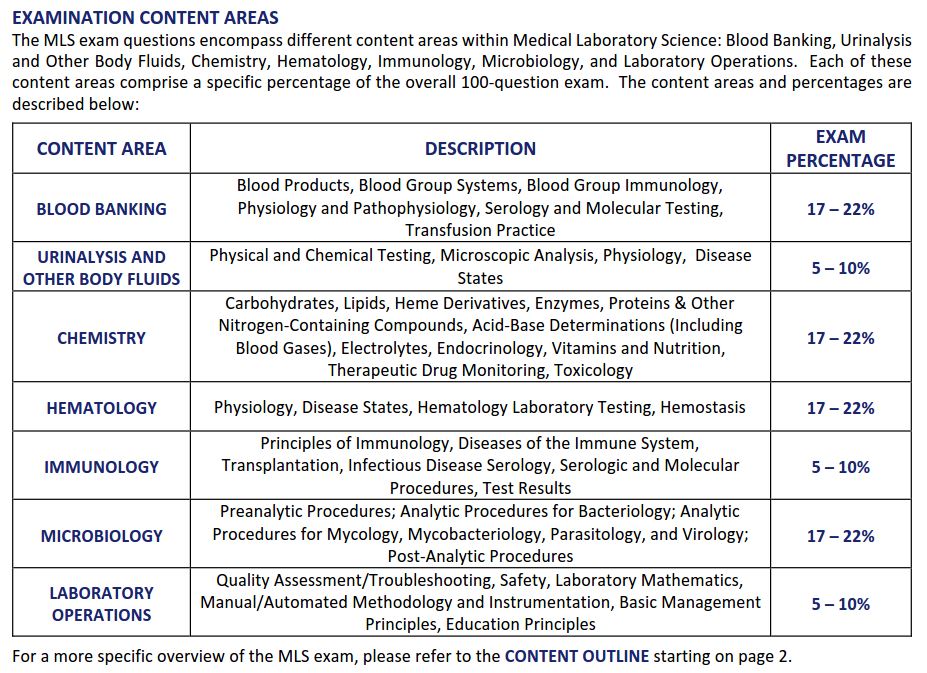
3) Lecture sessions will be based on the content guidelines according to the Board of Certification document found in this link – http://tiny.cc/i87sdz

4) For any concerns/suggestions, please do not hesitate to send me a message.

Posted in Speeches

My Speech at RCT SHS Graduation 2018

I still cannot believe that it has been 13 years since I sat here and listened to our commencement speaker and that 16-year-old me had no idea I’ll be giving speeches multiple times in my lifetime and yet here I am. So, let me start by thanking God for giving us another day to live and for this opportunity to be together in one of the most wondrous occasions of your lives. Also, I’m extending my thanks to my Alma Mater for inviting me. It is a great honor to speak at the 1st K12 commencement exercises of Rizal College of Taal.

To our graduates, I’m sure you’ve been told this many times already but let me congratulate you. Of course, we cannot go on without applauding your parents, guardians and loved ones who have been your support and inspiration all the way. At this point, may I please request the parents to stand up. Graduates, please try to look for your parents and tell them “Thank you and I love you.” Also, let us not forget to praise the sacrifices of our teachers and the whole school community and all their efforts to make you learn all that you need to.

Maybe many of you are wondering why, in a special event like this, it is I, a nameless person, who is in front of you and not a more famous personality. Don’t worry, I’m also asking the same question. But, I believe our God has a purpose for our meeting today and whatever that is, I’d like to praise Him and pray we’ll soon find out. I am a newly licensed physician and a medical technologist by profession but currently, I am more active in my teaching career which permits me to travel throughout the Philippines. I’ve been teaching Medical Technology board exam subjects for 8 years now, thus majority of what I’ll talk about is based from what I’ve observed from our students.

There is a quote about graduation that says “There is a good reason they call these ceremonies “commencement exercises”. Graduation is not the END; it’s the beginning.” Truly, finishing our studies is just one chapter in a more complicated subject called life and hopefully all of you are or will be ready to face its challenges. I’ve always thought about life being like a game we play – you level up when you gain experience and when you level up, the next stage gets harder. Question isare you ready for the next battle? There’s a lot to say and I don’t want to bore you so I’ll summarize my key points with these three life lessons.

Lesson #1: Appreciate Yourselves

First, I want you to put your hand on your chest like this, and tell yourselves “All is well.” That’s from my favorite movie ‘Three Idiots.’ It’s a movie we all can relate to and is even better than my speech.

Now, tell yourself “Congratulations self, maganda/gwapo ka na tapos graduate ka pa!”

Then tell your seatmates, “Uyy, ganda/gwapo mo mukha kang magiging magaling na abogado, doktor, teacher, atbp. ah.”

How does it feel? Feels great right? Feels so ‘kilig’ when someone appreciates you noh?

That’s the message I want to convey.

Appreciate yourself and what you’ve accomplished even when you think it’s nothing compared to what others have. It doesn’t matter. No matter how many quizzes you’ve failed or how long it took for you to be finally able to march on graduation. It doesn’t matter. You still made it. In His perfect time. In your own timeline. That’s something to be proud of.

What we lack today is self-appreciation. The world became so toxic that no one ever bothers to tell us we matter and what’s worse is that we became so dependent on others to feel our self worth. That’s why we feel so small. That’s why in some youths, living everyday is like punishment. That’s why we cannot unleash our best mode and effortlesly go into our beast mode. We easily get depressed because we rely on others to feel we exist. The problem is not everyone is available, even our parents will not be able to appreciate us every single time.

But you know who’s always available? Yourself. “The person who you’re with most in life is yourself and if you don’t like yourself you’re always with somebody you don’t like.” – Mark Lewis.

So, let us learn to do that for ourselves. When you wake up in the morning, look at yourself in the mirror, see how awesome you look and ask yourself what you can do today to make this world better. And if you get the chance, start appreciating others too. You see someone with good haircut, tell them. Instead of bashing, hating and bullying, which, thanks to social media, are now a lot easier to do, choose to appreciate. Just a simple appreciation can create a chain reaction.

Remember, you have a choice.
Choose to appreciate.

Advertisements

Lesson 2: Become A Better You

“If you compare yourself with others, you may become vain or bitter, for always there will be greater and lesser persons than yourself.” That’s an excerpt from my favorite poem Desiderata or Desired Things.

I really love the message. Truth is, we always tend to compare, because that’s how we are raised in this competitive world. But if we’ll do compare, we should only do it with our previous self, or what I’d like to call as our yesterself. Let us become so busy improving ourselves instead of comparing our timelines with the rest of the world. I believe I have my own and what’s important is I’m enjoying it. I’m in no rush. I started medschool at 23 years old, most people do at 20 or 21, graduated at 27, took my boards at 29. I have seniors who are younger than me but that’s okay. I recognize and respect them. My high school and college batch mates have started their own families already and I’m happy for them. I’m going to be 30 years old this year, still single but not available. Does that mean I’m a failure? Does that mean I am not happy? I’ve been asked also about how I handle having previous students as classmates in med. Well, I treat them as classmates. I didn’t really feel any pressure whenever they get higher grades than me because they really CAN. Just because I was one of their lecturers does not mean I should always be ahead of them. I don’t roll that way. I learn at my own pace and if others learn faster, why compare? If I didn’t graduate on the specified time or didn’t get my license the same time as my batch mates and I’m the only one left unlicensed, would I still be chilling? Of course.

I want to believe that I’ve learned how to trust God’s ever perfect timing. Bottom line is, don’t let other people’s life events be your standard. Don’t compare. Let me just reiterate that if you always do, you’ll end up becoming vain or bitter and no one likes that. Do your best to become better versions of yourselves every single day that will pass.

Remember, you have a choice.
Choose to become better.

Advertisements

Lesson 3: Dreams Do Come True

Upon graduating high school, and I know you can very well relate to this, people always asked me about my plans, what course to take, where to study, etc., then followed by their suggestions. “You should be a doctor” was one of the few. But then, that time, I didn’t want to be a doctor. In fact, it wasn’t my childhood dream.

I sat on my chair during my graduation without a definite plan for tomorrow and I believe I wasn’t the only one. If you didn’t have a plan, why not just listen to what people were telling you to do, you may ask. The answer is: I don’t want people to decide for me for they cannot possibly know what can make me truly happy. I want my own heart to tell me what I want and what I dream.

After a few thinking, I decided I wanted to take Tourism as my course. But when we visited my university to be – Centro Escolar University in Manila – and saw the list of courses, Medical Technology caught my attention, literally with sparks. One family friend asked me again, “Oh, anong course kukunin mo?” I answered, “MedTech po” and he said, “MedTech? Naku, mahirap yan, hindi mo kakayanin yan!” I didn’t have a clue what he was talking about and I chose not to listen to him. Few years went by and I topped the board exam for Med Techs. There are 3 things I want to emphasize with that story.

One… is it’s okay to have no definite plans yet, you don’t need to decide haphazardly just so you can say you have a plan. Looking back, I didn’t have any plans yet I’m still doing fine. What you need to do is pray that you’ll find out what God wants you to do with your life and when the time comes, don’t ever doubt yourself. Loss of self-confidence is one of the many uninvited guests that come into our lives and ruin everything. But again, you have a choice. You always do.

For example, when taking an exam, a student will more likely to hope to have at least 75% to pass it instead of thinking they can actually score higher than that. That’s how they usually see their capabilities and one reason they do is because of what they heard from other people – remarks such as ‘hanggang ganyan ka lang naman, wala ka nang igagaling pa, wala ka nang pagasa, ang pagpasa para sayo ay suntok sa buwan’ – which, unfortunately and sometimes unknowingly, are from their loved ones, friends, and yes, teachers. I know we are all aware that words cut deeper than the knife so I’d like to use this opportunity to remind each of us to use our words carefully for they create big impact in other people’s lives. Some people carry those all throughout their lives. There’s a saying that when you judge a fish by its ability to climb a tree, it will believe that it’s stupid and imbecile all its life. In the same way when we commend our students and motivate them, they’ll tend to do better and better each time.

The next time you take an exam, I want you to tell yourselves that you will perfect that exam – no matter how impossible it may look, thinking that way will surely bring in more positive results. Start believing in yourselves again. If possible, forget about the negative things you’ve heard from people and if not, maybe you can just use them as motivation to do things better. You can do greater things when you start believing that you can. Don’t doubt. As Iron Man of the Avengers said, “If I am not in my own team, who will be?” If you don’t believe in yourself, who will?

Second point… if at this moment you already know what you want and got your whole life planned out, then good for you. All you need to do is carry out your plans and do your best to achieve them, of course with God’s grace and guidance. Believing in yourself is still a must most especially when you already know your dreams. Believe that God will never give you a dream without giving you abilities and qualifications to accomplish that dream. So, work hard and pray harder. And if ever life doesn’t go with the plans, don’t lose heart. Always believe that God teaches you a lesson you’ll need for the next chapters of your lives. After all, He’s the better planner than us.

In college, I aimed to graduate as Cum Laude but I lacked 0.03 to make it to the 1.50 cutoff. Being an achiever since kindergarten, I became so bitter. I even tried to console myself by saying if I studied at some other schools, I would already be a Latin awardee but God made me go through painful episodes of my life to learn greater things and value life and experience more than my academic grades. It’s good to have awards and all and make our parents, relatives and even neighbors proud, but in real life, people won’t ask how many awards you got in school, how many quizzes you passed, etc., What they will remember are your attitude and character and that clearly proves that your grades do not necessarily define what you can do and what you can be. I planned to become a Cum Laude, but God didn’t allow it. I was mad for awhile but you know what? He didn’t allow it because His plan was to make me a topnotcher in the medtech board exam and to jumpstart my career in teaching and to eventually see the purpose of my life.

You see, you may think you have the best plan in the world but in the end, when you surrender to Him, He will bring you to what you rightfully deserve. You have the choice. You always do. Choose to trust Him.

Third and final point of my lesson #3… is that people will always try to say something even if you do good and of course, if you do something bad. But again, you have a choice. You always do. So when they tell you you can’t, prove them wrong. Sometimes when they fail at something, they also wish people will fail too. It’s a sad cycle. Remember the family friend who told me I can’t survive MedTech? If I listened to him, and I shifted to another course, would I be happy? Would I be here? I chose not to follow his words, because it’s his story, not mine. People cannot dictate your story-line. Always think that you’re the main actors and actresses of your own movie – your life and God is the only director, not the people around. Follow your heart and be happy. It’s actually the most important thing I want you to realize.

At your age, maybe your definition of success is owning a lot of properties, becoming famous, earning big time and such, and don’t get me wrong, you can always strive hard to have those but ultimately you will realize that it is happiness – one that is authentic and genuine – that’s always worth the find. When you’re happy with your life, you will be contented with what you have and you will never be jealous of others which is one root cause of crab mentality. You don’t want that in your life. When you are happy, you will be able to do things you think are impossible. When you are happy, you’re gonna enjoy the ride life has to offer, even when the road is hard and challenging.

And at this point, I want to direct my speech to the parents.

I know that as parents, you want the best for your children and your family with the hope that soon enough, they will be able to help with establishing a better life for all of you but please, do not force them to do something they don’t really want. We only have one life, let them live it and enjoy it the best way they know how. I’m really thankful that my parents did not impose on me and just let me grow where I am supposed to. I had classmates who were forced to study medtech or medicine because their parents said so, but they weren’t happy. They weren’t doing good at school, some of them tried their best to cope up but I guess, if it is really not in your interest, it’s gonna be difficult to learn and so they tend to rebel. They were struggling so bad I couldn’t do anything to help them. I also worry for their future patients, if they cannot learn the proper way, how can they do their jobs which includes lives of the patients?

Now that I have a chance to somehow reach your hearts, I am humbly asking you to please support your children in their chosen dreams and future endeavors. Help them see their greater purpose and let God use them. They may not always tell you but I am sure that you are their greatest motivations and they will always strive hard to give back to you the soonest they can.

Remember: Dreams do come true and so dream on!

I guess I still have a lot to say but we don’t have all day so, because I’m a teacher and I like to summarize, let’s recap our lessons: appreciate yourselves, strive to be better versions and dream on.

I’m wishing that you’ll always yearn to learn more and become a bringer of positive vibes in this wicked world. Become the world’s hope. Be the better person. Choose kindness, even when it’s the hardest thing to do.

And always remember, in this life, there will be challenges and there will be difficulties. Do not pray to God to remove your life trials and adversities for they are inevitable. Ask God that He would provide you with the courage and wisdom equal to the challenges. For when He equips us and when go through it, we emerge stronger and wiser. (I’m borrowing these from Sir Francis Kong)

Again, congratulations to the graduating class of 2018 and I pray for your success in any aspect of life and may God provide you enough.

Thank you and
To God be all the glory.

Posted in Video Tutorials

Krizza-Almond FB Live Video Tutorials

HEMOSTASIS

RENAL BLOOD FLOW

ABO BLOOD TYPING

COMPOUND AND SERIAL DILUTION